Who checks meters on Elba in empty homes?
Who checks meters on Elba? Discover who reads electricity, water, and gas meters and why local checks protect an empty second home in winter.
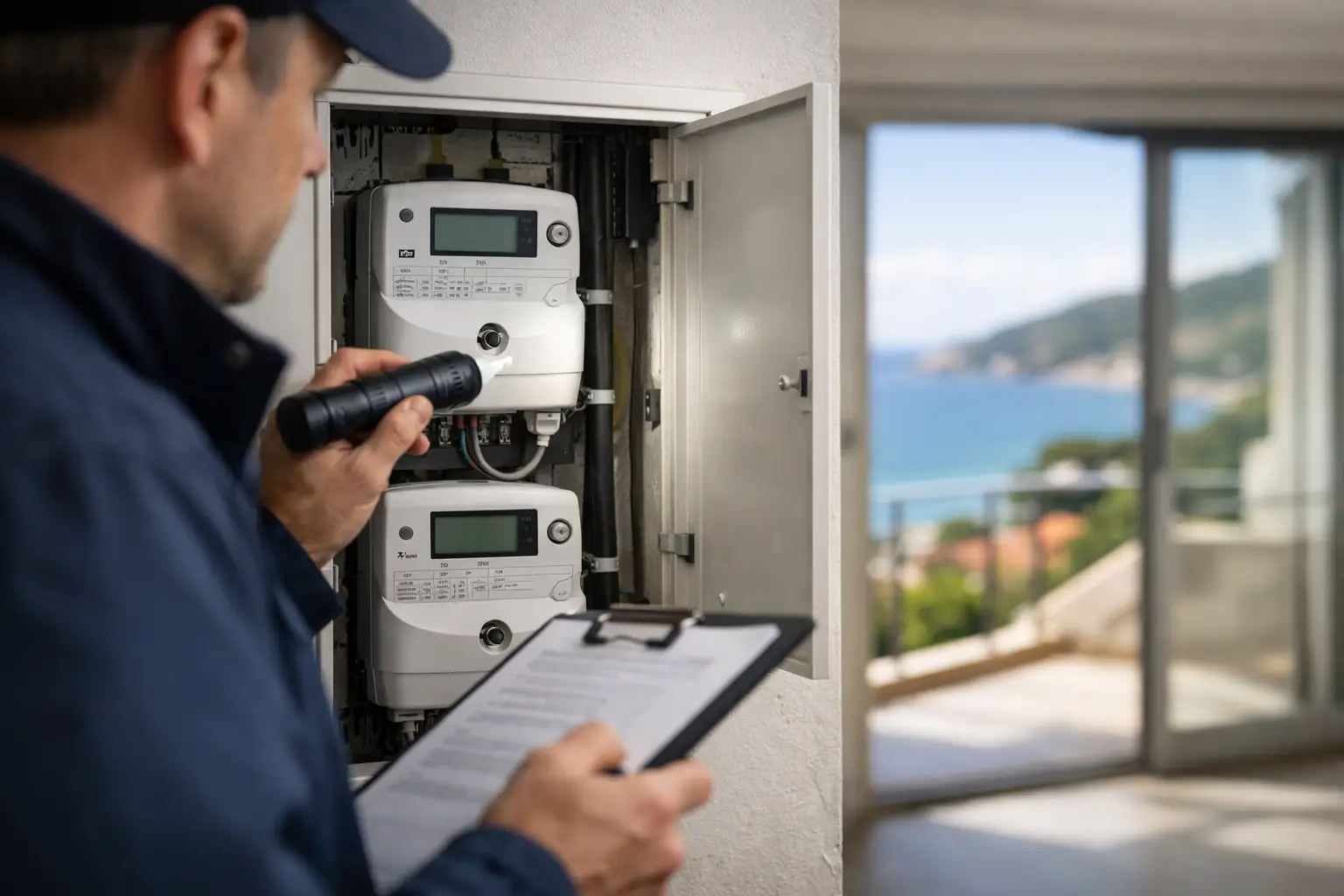
The question “who checks meters on Elba” often arises when a second home remains closed for months. An unexpected bill, unusual consumption, or the inability for a technician to gain access can turn an operational detail into a concrete worry. For a property not continuously inhabited, knowing who reads the meters and who verifies their status is part of protecting the property.
The answer changes based on the utility. Utility providers and distributors carry out the official readings required by the service; a local contact, however, can ensure that the meter compartment is accessible, that there are no signs of leaks or tampering, and that recorded consumption is consistent with an empty house. These are different activities, but both are useful.
Who Checks the Meters on Elba
For electricity, the official reading is normally managed by the local distributor through the electronic meter. In many homes, data transmission occurs remotely, so physical access to the property is not always necessary. The supplier then issues the bill using the available data, while the distributor intervenes on the network and the meter when necessary.
For gas, the mechanism depends on the type of meter installed and its data communication capability. Here too, the distributor is responsible for managing the meter and any technical readings. The supplier remains the contractual reference for bills, tariffs, and administrative procedures. If the meter is not read remotely, access may be required for an actual reading.
For water, readings are entrusted to the competent water utility manager. The methods may vary based on the system, the meter’s location, and available tools. A water meter located in an external pit, for example, may be more exposed to infiltration, vegetation, insects, or access difficulties after a long period of absence.
In all three cases, the owner should not confuse the official reading with a common-sense check of the property. The utility manager records consumption for service purposes. They do not maintain a constant vigil over the house, they do not check if a small leak is starting to damage a technical room, and they do not necessarily notify the owner if a gate is left open or a meter compartment appears compromised.
Official Reading vs. Local Check: The Difference
A meter can be perfectly functional and, at the same time, signal a problem in the home. If a house on Elba Island remains uninhabited and water consumption increases without an obvious reason, the cause could be a leak, a programmed irrigation system left active, a faulty toilet cistern, or a break in an external pipe. The utility's reading certifies the data; the local check helps interpret its meaning.
The same applies to electricity. An off-scale consumption can be due to refrigerators, dehumidifiers, pumps, alarm systems, automatic gates, or appliances left on. Not every consumption is an emergency, and not every high bill indicates a fault. However, in an empty property, an unexplained variation warrants a timely verification.
Gas requires even greater attention. An external visual inspection can detect open panels, wet compartments, or anomalous conditions, but it never replaces the intervention of a qualified technician. Seals, valves, or meter components should not be tampered with. In the presence of a gas smell or suspected leak, the priority is to activate the distributor's emergency procedures and have qualified personnel intervene.
When the Owner Must Grant Access
Even with remotely read meters, a technician may need to access the meter for checks, replacements, maintenance, or readings not obtained remotely. If the meter is behind a closed gate, in a private room, or in an area that becomes difficult to reach, the owner's absence can delay the appointment.
For those living far from Elba, the point is not just opening a door. Someone needs to receive the notice, verify the date, allow access if appropriate, and ensure the area is properly secured afterward. This prevents postponements, prolonged estimated readings, and complications that often emerge precisely when the house needs to be reopened for holidays.
Why Meters Deserve Attention in Second Homes
Meters are one of the few objective sources that tell us what is happening in a closed house. They don't tell everything, but they offer useful signals. Constant water consumption in an empty property is different from an occasional peak. An electrical meter that records unusual consumption after a thunderstorm may require a check of systems, pumps, or automatic devices.
On Elba, seasonality makes this check particularly useful. During periods of lower occupancy, wind, humidity, intense rain, and vegetation can affect the accessibility of external compartments and the condition of the systems. In homes near the coast, saltiness and humidity also require constant attention to exposed parts.
A periodic inspection is not intended to replace utility managers, electricians, plumbers, or gas technicians. Its purpose is to maintain a responsible presence on site: visually check the meters, look for any obvious anomalies, note readings when useful, and provide the owner with clear information. If a problem emerges, the owner can decide more quickly how to proceed.
What a Well-Done Check Should Include
For a second home, simply passing by the gate is not enough. Meter checks must be part of a broader visit that considers the property's actual conditions. The local contact can verify that compartments are closed and dry, that pits are accessible, that there are no visible leaks, unusual noises, or signs of damage.
It is also useful to compare readings, when available, with the house's situation. If the property is closed and water continues to register consumption, further investigation is needed. If an irrigation system, a pool, or a fire suppression system is active, consumption should be interpreted in the correct context. A thorough check does not create unnecessary alarms: it distinguishes what is expected from what is not.
Simple documentation, including the date of the inspection, photographs when necessary, and reporting of any anomalies, provides the owner with a concrete overview even from a distance. For those residing off the island or abroad, this continuity is often more useful than a sporadic check done only before the summer arrival.
When to Intervene Immediately
There are signs that should not wait for the next scheduled visit: water present near the meter or in the pit, forced hatches, visibly damaged cables, a gas smell, consumption clearly incompatible with a closed house, or sudden difficulties in accessing the technical compartment.
In these cases, the first action depends on the nature of the problem. For a risk related to gas or the electrical grid, emergency channels and authorized professionals are needed. For a water leak or an internal fault, it may be necessary to quickly coordinate a plumber. A local supervision service does not improvise technical interventions: it protects the owner by identifying the problem, documenting it, and activating the right contact.
Elba Property Care integrates visual meter checks into supervision visits when it is useful for the safety and continuity of the home. It does not replace the official readings of the utility managers but ensures attentive presence between the owner's visits.
An empty house should not remain an unchecked house. Knowing that someone can check the meters, recognize an anomaly, and notify promptly allows you to leave Elba with greater peace of mind and return to find a property that has been cared for, not simply closed.