How to Check Home Meters on Elba Island
Learn how to check your home's meters on Elba Island, prevent faults and unusual consumption, and protect your second home even when you're away all year.
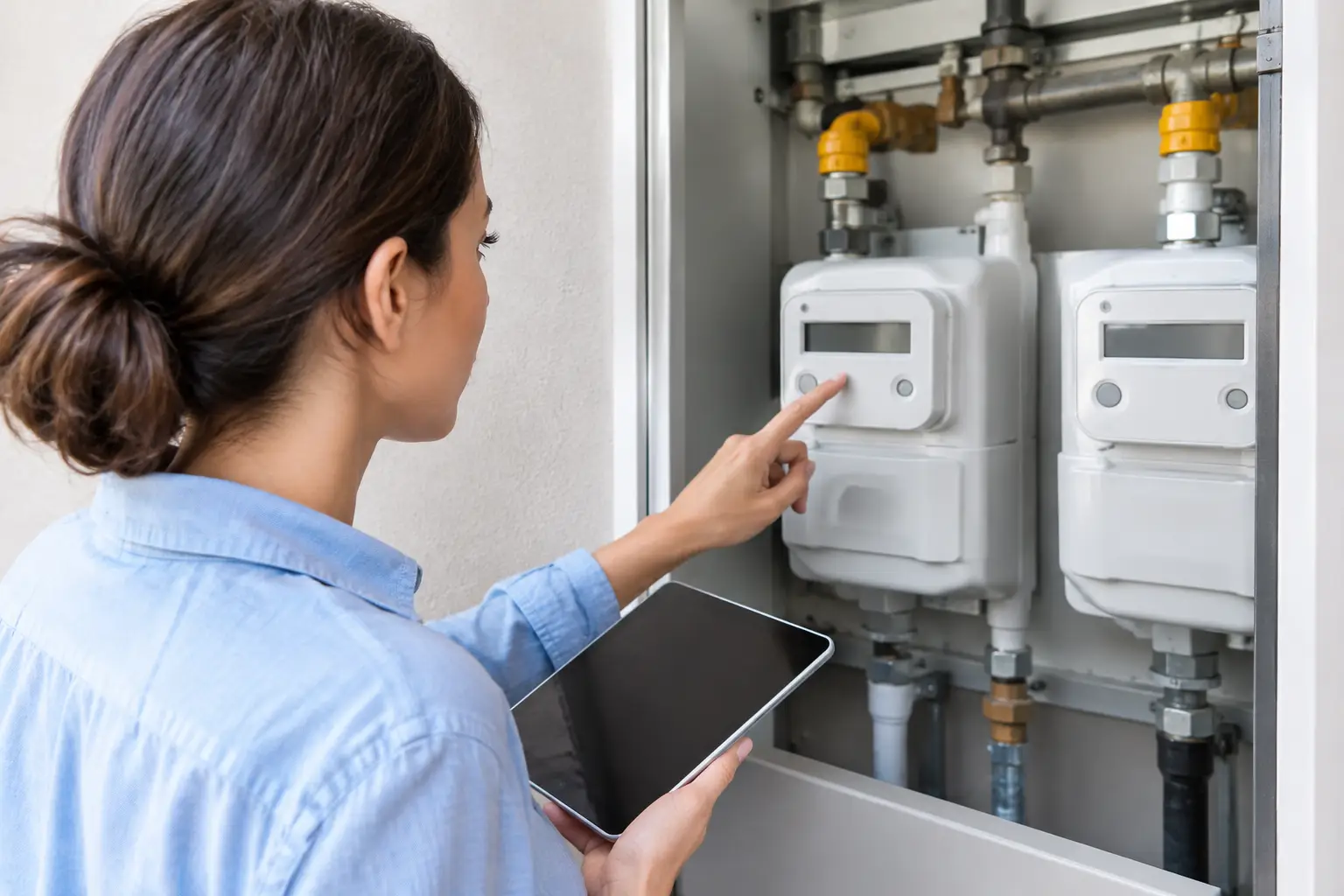
A high utility bill, a stuck meter, or a reading that increases without reason are signals that shouldn't be ignored. Knowing how to check your home's meters on Elba helps identify small anomalies before they turn into water leaks, service interruptions, or more costly damage in a second home left closed for weeks.
For those who don't live permanently on Elba Island, checking meters isn't just an administrative chore. It's a concrete part of protecting the property. A regularly recorded reading tells a lot: if water continues to flow, if energy is being consumed when it shouldn't be, if a system requires local intervention, or if the house is ready to welcome the family upon their next arrival.
Why Check Meters in an Elba Home?
Holiday homes, seasonal apartments, and villas used only during certain periods of the year are more susceptible to anomalies that remain invisible. When a property is occupied daily, a leak under the sink, a water heater left on, or a faulty booster pump can be discovered quickly. In an empty house, the same problem can persist for a long time.
On Elba, many properties alternate between months of closure and periods of full occupancy. This makes it useful to build a simple history of readings, especially before seasonal closing, during periodic checks, and just before the owners arrive. You don't need to become a technician: you need observation, method, and the readiness to intervene when a value doesn't add up.
Checking is particularly useful after intense weather events, system work, long periods of absence, or hosting friends or service staff. Even a seemingly minimal variation deserves attention if it doesn't have a clear explanation.
How to Systematically Check Home Meters on Elba
The best procedure is always the same: locate the meter, record the reading, note the date and time, photograph the display or dial, and compare the value with the previous reading. Photographs are essential for a distant owner: they eliminate doubts about the reading and allow for tracking consumption trends over time.
To make the check reliable, it's advisable to prepare a property sheet with the location of each meter, the utility identification number when available, any access key to the compartment, and the contact details of trusted technicians. In condominiums, the meter may be in a common area; in villas, it might be located on a boundary, in an outdoor cabinet, or near the entrance.
The periodic check should include four distinct steps:
- reading the value and photographing the display or rollers;
- visual inspection of the compartment, ensuring absence of water, corrosion, nests, or obstructions;
- comparison with the last reading and the actual use of the house;
- immediate reporting of anomalous values, dead displays, unusual noises, or signs of tampering.
Do not attempt to break seals, dismantle components, or modify connections. The task of the owner, or whoever conducts a supervisory visit, is to detect and document. For faults, leaks, or problems with the supply device, it is necessary to involve the competent service provider or a qualified professional.
Water Meter: The First to Observe
The water meter often provides the most immediate indication of the house's status. With all faucets closed and no appliances running, the dial or flow indicator should not move. If it continues to spin, there might be a leak in the system, a toilet cistern continuously flushing, an outdoor faucet not closed properly, or a problem in the garden or irrigation system.
Before attributing the anomaly to a leak, verify that no programmed sprinklers, water softeners, pool filling systems, booster pumps, or automatic devices are active. In a villa with outdoor spaces, water consumption can depend on multiple systems and require a more accurate assessment.
A practical method is to take the reading, ensure no deliberate water usage, and repeat the reading after one or two hours. If the cubic meters increase, intervention is required without waiting for the next visit. Where possible, closing the main valve can limit the damage, but this should only be done if you are certain about the system and without compromising specific needs of the property.
Also check the meter compartment: persistent humidity, excessively wet ground, flooded pits, or difficulty of access deserve attention. A correct reading is only useful if the device and the surrounding area can be safely inspected.
Electricity Meter: Consumption and Service Continuity
The digital electricity meter usually shows the reading of energy drawn and, depending on the model, other information such as time slot, committed power, and instantaneous power. For a second home, the most significant data is the comparison between one period and another: a high increase during a long absence should be investigated.
Some baseline consumption is normal. This can be due to the refrigerator, alarm, router, video surveillance, pumps, automatic gates, or anti-freeze systems. The point isn't to expect zero consumption, but to know the usual level for the house and notice significant deviations.
If the meter indicates a power outage or if the main breaker trips frequently, do not force a reset without understanding the cause. A faulty appliance, humidity infiltration, or a system problem may require an electrician's inspection. During a visit, it's also useful to check that the electrical panel is dry, tidy, and free from burning smells or signs of overheating.
For properties with photovoltaic systems, the situation can be more complex because production and withdrawal are different data. In this case, it's advisable to keep photographs of the displays and rely on a technician when the values are not consistent with the season, the use of the house, or the system monitoring.
Gas, LPG, and Tanks: Caution First
Not all properties on Elba have a grid gas meter. Some use LPG with cylinders or tanks; others use only electricity. In the presence of gas, the check must be primarily visual and cautious: ensure the compartment is accessible, with no evident corrosion, suspicious odors, or damaged pipes.
If you smell gas, do not operate switches, flames, doorbells, or electrical appliances. Move away from the area, ventilate only if it's safe to do so, and contact emergency services or a qualified technician. Never search for leaks with open flames and do not improvise repairs.
For an LPG tank, in addition to the indicated level, planning is crucial: knowing in advance if the availability is sufficient for your arrival at the house avoids inconvenience, especially before prolonged stays or during less frequented periods.
When is a Value Truly Anomalous?
A single reading isn't always enough to determine if there's a problem. An increase can be justified by cleaning, irrigation, maintenance, guests, or temperatures requiring the use of certain systems. It becomes a concrete signal when consumption increases without any planned activity or when the data changes continuously while the property is closed.
It's useful to compare readings with the same period of the previous year, if available. A house used only in summer will have different consumption patterns than a dwelling frequented on weekends even in winter. Knowledge of the property matters as much as the number on the display.
In case of doubt, acting promptly is almost always the most prudent choice. A local check can distinguish expected consumption from a fault and, if necessary, quickly activate the appropriate technician. Waiting until the next vacation to check in person can turn a small irregularity into a larger problem.
A Check That Ensures Continuous Home Care
For distant owners, the most reliable solution is to incorporate meter reading into a program of regular visits. Elba Property Care can document the values, visually inspect technical compartments, and promptly report any detected anomalies, so the owner receives clear information without having to be present on the island.
A dated photo, a compared reading, and a timely report are simple actions. But for an empty house, they can make the difference between a property that is carefully monitored and a problem discovered too late.